75%
of the world’s leading food crops depend, at least in part, on animal pollination.
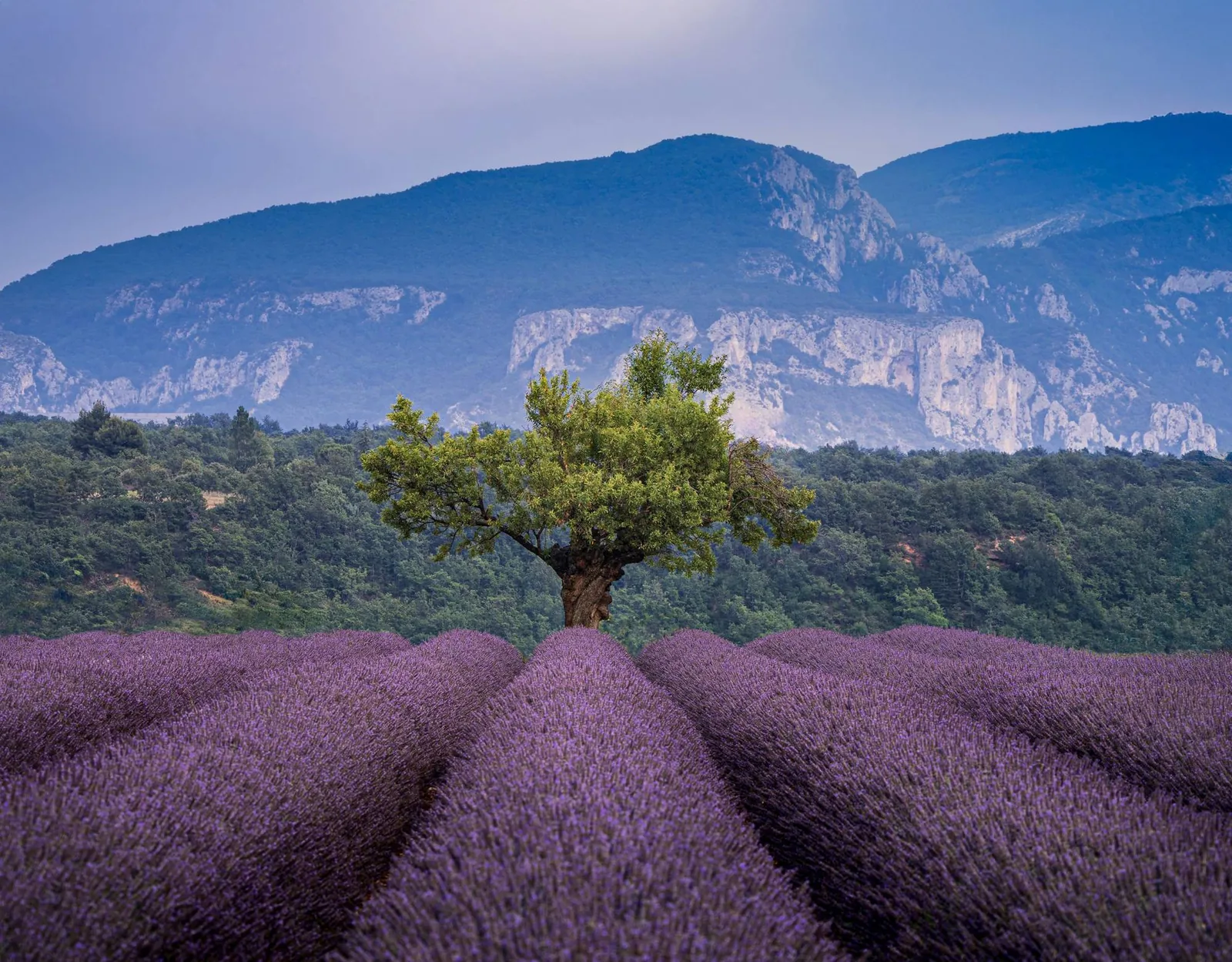
To something real. Something natural. Something worth caring for.
A worker bee lives about six weeks. The colony she belongs to can go on for years, if somebody looks after it. Support one of ours and we will write to you every month with how it is faring.
75%
of the world’s leading food crops depend, at least in part, on animal pollination.
2,000,000
flowers visited by a colony for roughly 450 g of honey.
1/12
of a teaspoon — the honey one worker bee makes in her whole life.
$577bn
the upper estimate of the world’s annual crop output that depends directly on pollinators.
At the start of every month a letter arrives, written here rather than generated: what the weather did over the apiary and how your colony met it, how much honey was made, and whether the brood nest held against the heat and the damp. When something goes wrong — a swarm, a bad week of rain, a treatment brought forward — you are told that too. And your colony’s live readings are yours whenever you want them: the same figures we work from.

Dear
October brought a calm and golden rhythm to the apiary. As temperatures softened across our valleys, the bees settled into a steadier pace, focusing on maintaining the colony, consolidating their reserves, and preparing for the months ahead.
We are grateful to have you on this journey with us. Your support helps us care for these extraordinary bees and the land they call home.
In the coming weeks, we’ll continue to monitor the colonies closely, ensure they have everything they need for a strong winter, and make small adjustments to help them stay comfortable as temperatures drop. It’s a quieter season in the apiary, but an important one, as the bees conserve their energy and strengthen their cluster for the months ahead.
Thank you, once again, for being part of this journey. Your support makes this work possible, and we’re so happy to share it with you.
Best regards!Lozano Family
From the second tier upward, a jar of your own colony’s honey comes with the letter — raw, unblended, and from that one apiary alone, which is not something a shelf can promise. A 500 g jar a month, or three, or kilos, as you choose, and carriage within Spain is included. The honey you taste in the autumn is the honey the letters have been telling you about since spring.
From€6/ month
Wildflower Fields
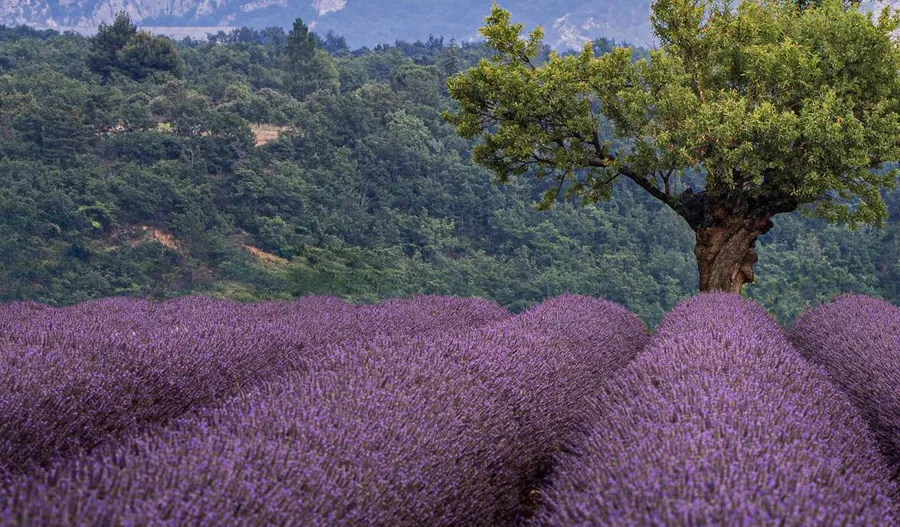
Before we think about honey, we think about where it will come from.
Every landscape has something different to offer. The plants that grow there, the changing seasons, the climate and the surrounding environment all influence the nectar available to our bees. Choosing the right location is one of the most important decisions we make.
Our story begins in La Alcarria, a region of central Spain known for its hills, aromatic plants and long beekeeping tradition. Here, the landscape changes throughout the year, offering different sources of nectar as one flowering season gives way to the next.
We look for places where our bees can find the resources they need and where their presence can contribute to the surrounding ecosystem. Because the quality of honey doesn't begin in the jar, or even inside the hive. It begins with the land.
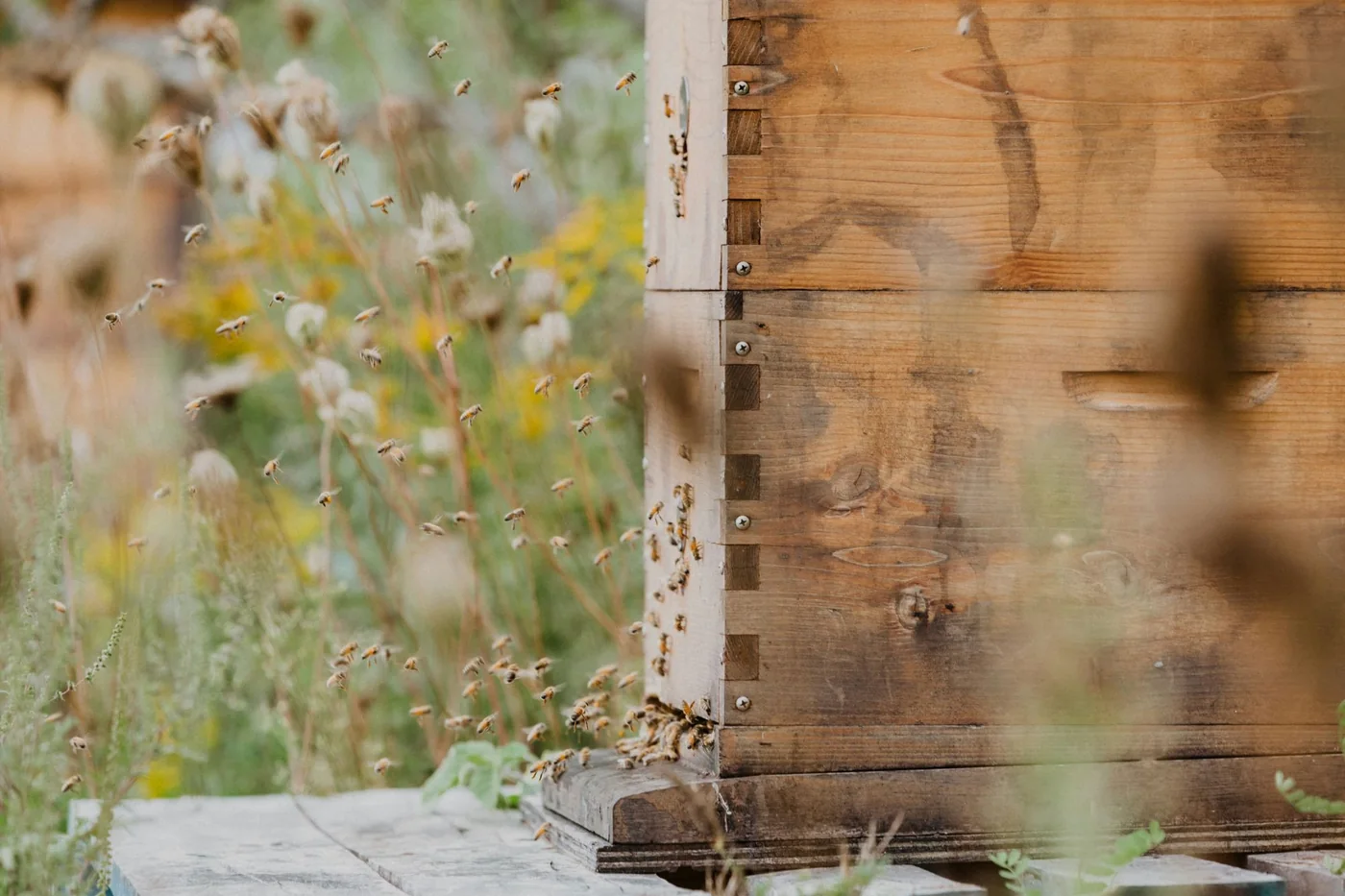
A beehive may look like a simple wooden box, but inside it lives an extraordinarily complex society.
Thousands of bees work together, each contributing to the wellbeing of the colony. They raise their young, store food, regulate their environment and communicate with one another, all within a carefully organized home.
Our responsibility is to give that colony the conditions it needs to thrive. That starts with choosing an appropriate location for each hive, providing shelter and maintaining the equipment that protects it from the elements.
But building a home is only the beginning. A colony needs attention throughout the year. Its needs change with the weather, the availability of flowers and the rhythm of the seasons.
We believe that caring for bees means understanding those changes, knowing when to intervene and, just as importantly, when to leave them undisturbed.
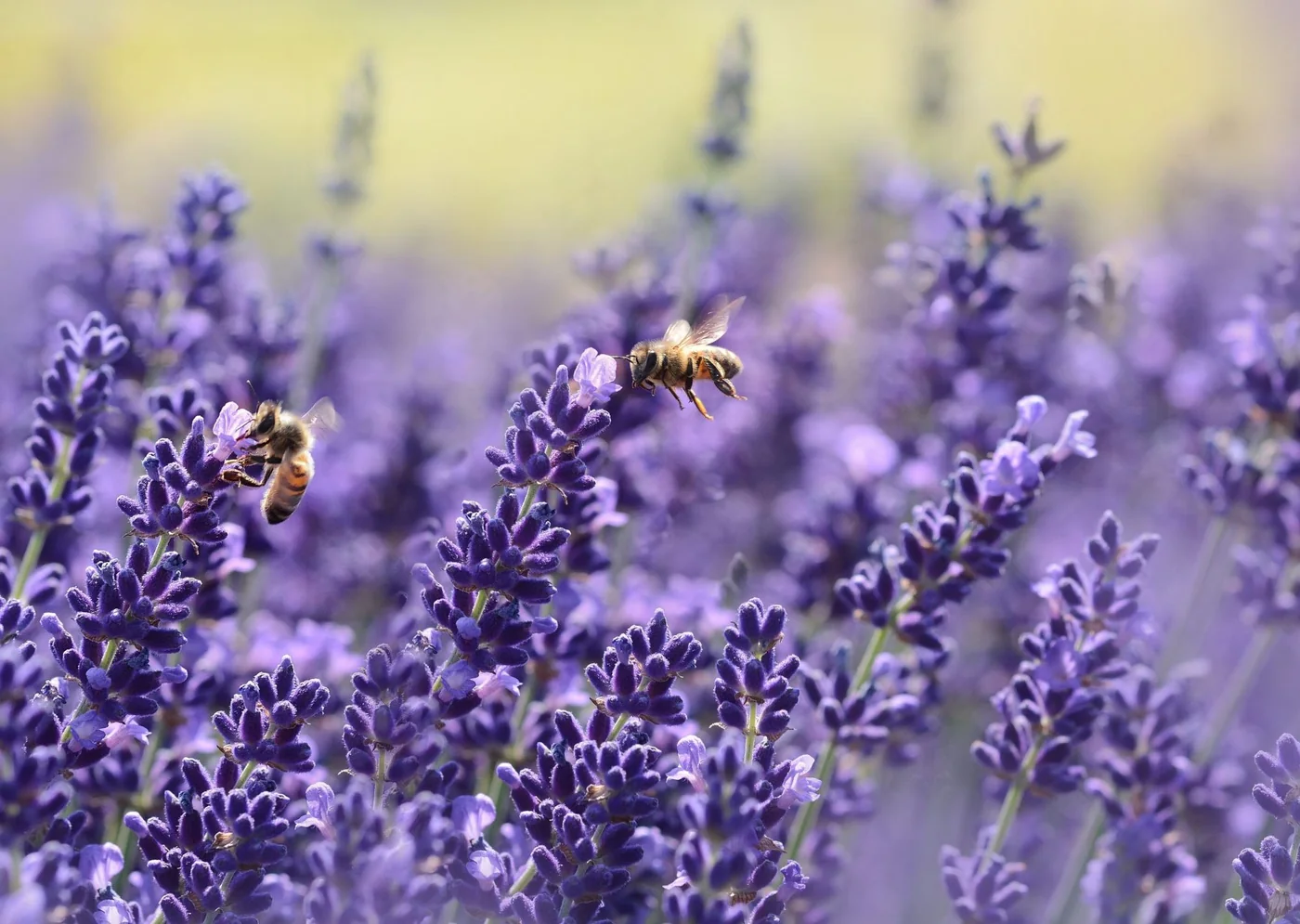
There is no shortcut to making honey. And most of the work has nothing to do with us.
Every day, foraging bees leave the hive in search of nectar. They visit flowers across the surrounding landscape, collecting tiny amounts before returning home. A single trip may seem insignificant, but together, countless journeys become something extraordinary.
Back inside the hive, the nectar is passed between bees, enriched with enzymes and gradually transformed. Water evaporates, the sugars become more concentrated, and the developing honey is stored in wax cells until it is ready.
This process follows nature's own schedule. Flowering periods, rainfall, temperature and the health of the colony all play a part. Some seasons offer abundance, while others require more patience.
We cannot dictate how much honey the bees will make or how quickly they will make it. Our role is to respect the process and give them the time they need.
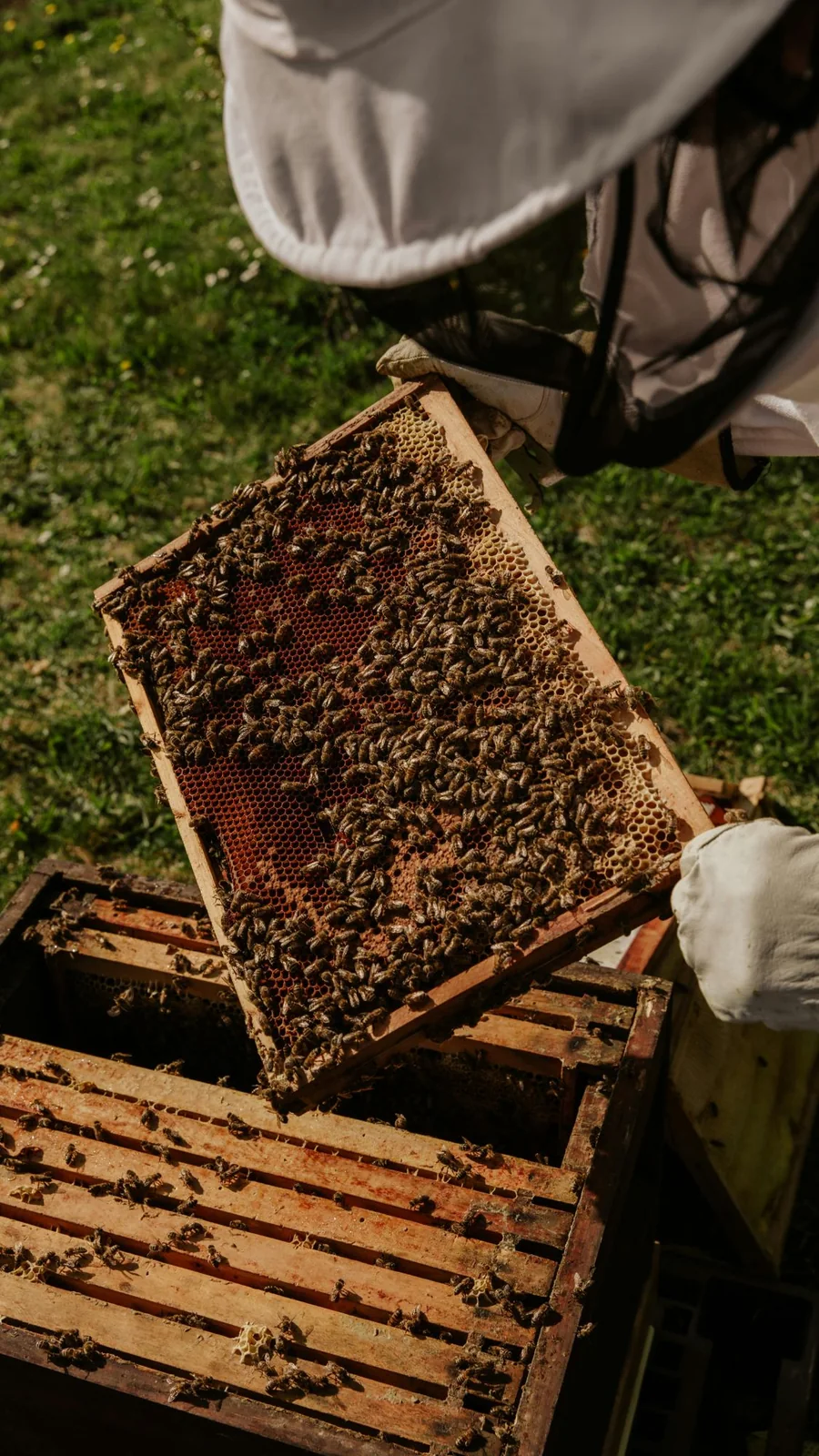
Harvesting honey is perhaps the most anticipated part of the year. But it is also one of the moments when our decisions matter most.
Honey is not produced for us. It is the food that allows a colony to sustain itself, particularly when flowers become scarce. Understanding this is fundamental to the way we approach beekeeping.
Before harvesting, we assess the condition of the colony, its food reserves and the maturity of the honey. A successful harvest is not simply about collecting as much as possible. It is about making thoughtful decisions while protecting the needs of the bees.
We work carefully, keeping unnecessary disturbance to a minimum and respecting the delicate balance between what the colony produces and what it requires.
The amount of honey available may vary from year to year. We see that variation not as an inconvenience, but as part of working with a living environment.
A good harvest should never come at the expense of the next season.
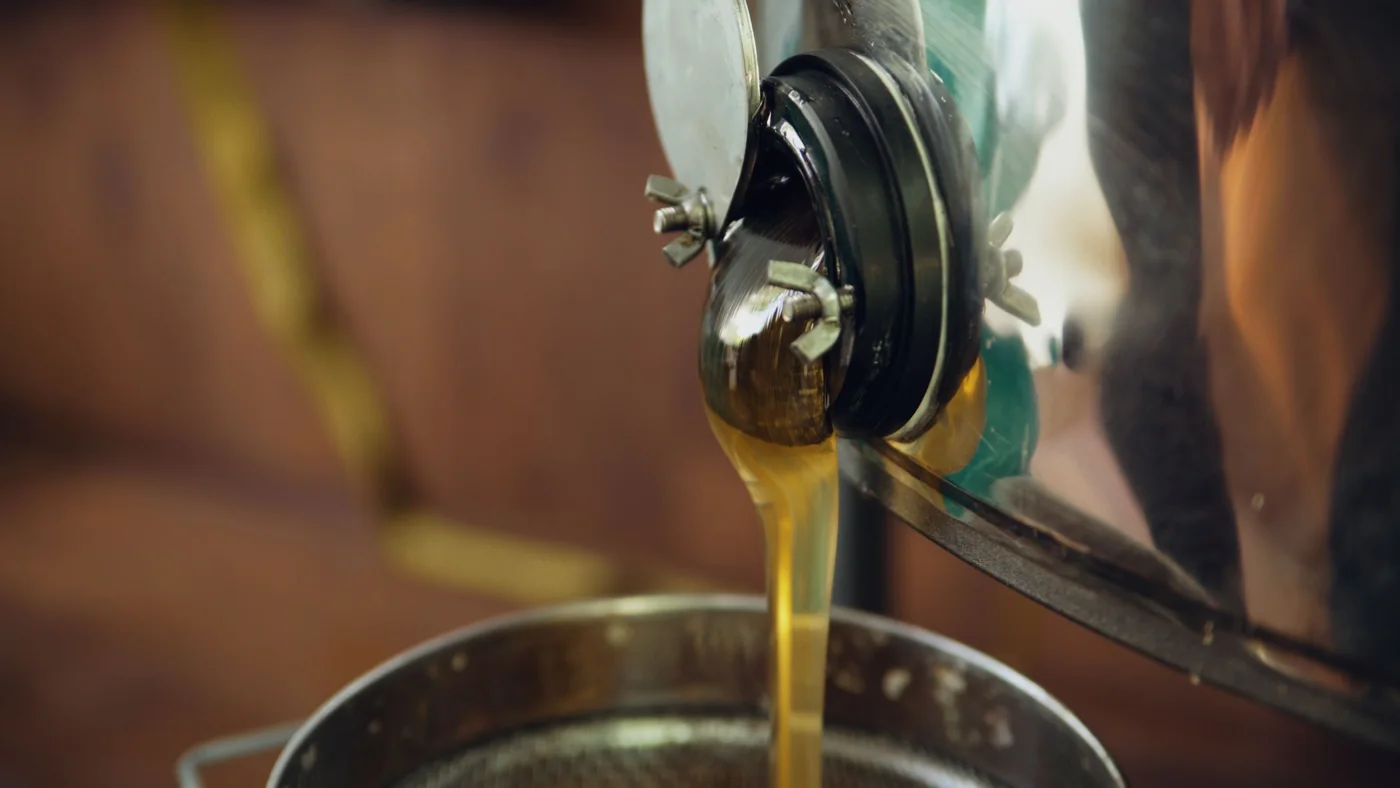
By the time the honey reaches a jar, most of the important work has already been done.
The landscape has provided the flowers. The bees have collected and transformed the nectar. The colony has followed its own rhythm, and the beekeeper has taken care of it along the way.
What remains is to bring that honey from the hive to the table, preserving the qualities that make each harvest distinctive.
Every harvest reflects the conditions in which it was produced. The available flowers, the season and the landscape can influence its colour, aroma and flavour. These natural differences are part of what makes honey so interesting.
For us, a jar of honey is much more than the final product. It represents a place, a season, a colony and the work required to bring them together.
We believe the best way to appreciate it is to understand everything that came before.
Casa Lozano
Honey crafted for humanswho take their timeto taste life properly.